Here are 9 Home Design Trends to Watch
With more than 8,000 homes built last year, national homebuilder and developer Taylor Morrison has a window into the design trends that are most influencing home decor. Here are nine trends from the builder’s in-house design experts based on the selections today’s homebuyers are choosing.
1. Healthy homes. Eco-friendly and healthy lifestyle trends are working their way into home design in a variety of ways, such as by incorporating an abundance of plants, choosing natural materials over manmade, hardwood over carpet, and flat-finish paint instead of high-gloss.
2. Low vs. high maintenance. For busy families, the trend is toward low-maintenance design, opting for finishes that don’t require a lot of TLC, such as quartz instead of granite and large tiles instead of small ones…which means less grout to clean.
3. Fashion-forward. Keep an eye on the runway because there will be a stronger link this year between fashion trends and home decor and design, such as the recent explosion of browns and tartans.
4. Earth tones. In keeping with the indoor/outdoor lifestyle trend, earth tones will be prevalent in home design.
5. Monochromatic looks. High-contrast, monochromatic looks are rising in popularity, especially in the kitchen. Look for dark finishes with stark white or grey cabinets.
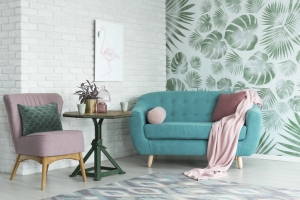
6. Pastels and jewel tones. Look for palettes featuring baby blues, mint greens and blushing pinks – or the “ice cream cone” colors – or conversely, bold jewel tones like emerald and sapphire.
7. Unique finishes. Fun hardware finishes like black, rose gold and brass continue to gain popularity.
8. Flower power. Also inspired from the runway, look for floral patterns, especially in wallpaper.
9. Cozy comforts. Have you heard about the Danish “hygge” look? It’s all about building a comfortable, relaxed environment with items like cozy and soft rugs, sofas and beds, as opposed to stark, tailored designs.


The Art of Hanging Artwork
Hanging artwork is an art—literally. Too high, and the room feels off balance. Too low, and, well…you get the idea.
One of the most common mistakes homeowners make, according to Apartment Therapy’s Eleanor Büsing, is hanging pieces at the wrong level. To help you spruce up your place with properly placed artwork, Büsing offers the following tips:
Establish eye level. Eye level in most houses is approximately 57 to 60 inches from the floor. All artwork, regardless of orientation, should be hung so that the center (not the top or bottom) of the piece is at eye level.
Coordinate with orientation. The orientation of the piece—landscape (horizontal) or portrait (vertical)—should coordinate with the wall space it’ll hang on. The area above a sofa, for example, is horizontal, so the artwork should be oriented landscape.
Portraits can be hung in horizontal spaces, however—the trick is to hang them side by side so that they appear as one horizontal piece. The opposite also applies: Landscapes can be hung in vertical spaces, so long as they’re stacked one on top of the other.
Align varying sizes. A complementary duo or trio of artwork in different sizes should be hung in alignment with the pieces’ center points—this means that the tops of some pieces will be higher than others. Avoid aligning them by their tops or bottoms.
Stay uniform. Multiple pieces of artwork hung improperly can make a room seem cluttered and cramped. Make a gallery uniform by arranging the pieces in a precise grid format with matching frames, or by hanging one “anchor piece” at eye level and hanging other pieces outward from there.
Whichever of these tips you use, consistency is key. Keep eye level in mind as you hang artwork throughout your home to maintain a sense of flow.
5 Fashion Labels With Breathtaking Home Collections
Is it time to update your decor? Whether you’re looking to spruce up your home before putting it on the market or you need new furniture for your next place, thoughtfully designed interiors are essential. For the fashionistas who want to bring haute couture into their house, these five luxury clothing brands have home collections that are worth getting excited about:
Armani Casa
Armani recently unveiled a home collection at Milan Design Week, and it’s a must-see for every fan of minimalism. Inspired by natural elements and Asian landscapes, it includes everything from table settings and lighting to a stunning chaise lounge. Clean lines and exquisite finishes are consistent throughout, epitomizing the essence of Italian craftsmanship.
Hermes La Maison
The renowned purveyor of leather goods has made a foray into houseware with the Hermes La Maison collection. The wide range of home goods maintains the fashion house’s timeless look and sophisticated style, with items for every room. The elegant bath linens, sleek leather chairs and tableware galore will breathe new life into your home.
Kate Spade Home
The Kate Spade Home collection is utterly effortless. True to the iconic designer’s hallmark style, playful prints and patterns are at the center of this line. They have the perfect breezy look, with floral bedding, citrus-patterned plates, and a powder pink toaster that every kitchen needs. There’s even a cocktail set that will come in handy at your dinner parties.
Fendi Casa
Known for being bold and lavish, the fabulous style seen in Fendi’s clothing carries over into the designer’s home line. Fendi Casa is a chic, contemporary collection that will transform your house, inside and out. The outdoor furniture, kitchen cabinets and breathtaking living room decor will all be appreciated by the fashion-forward homeowner.
Bottega Veneta Home
Bottega Veneta Home is all about neutral tones and rich textures. Simultaneously simple and opulent, the collection can lend itself to virtually any setting, from traditional to contemporary, and exudes meticulous craftsmanship with every piece.
A Guide to Designing Your Vertical Garden
A vertical garden, also known as a living wall, is the ultimate way to bring nature into your home. Whether you’re in the city and want to introduce some greenery into urban quarters or simply enjoy the relaxing ambiance of a wall clad with plants, there are many reasons to consider designing one in your home.
Here’s a breakdown of everything you need to know before getting started on your vertical garden:
Design Details
While you can simply mount a trellis on the wall, you’ll want to reserve that for the terrace or patio. Indoor living walls require a series of pockets to hold the plants and a drip irrigation system that will keep them healthy without making a mess of your home. They make the perfect addition to a living room or home yoga studio, but keep in mind how much light each wall gets when deciding where to put the garden. You also don’t need to create large living walls or elaborate designs–small, simple gardens can still add to a room’s ambiance, so determine which type of design is right for you and your space.
Pick Your Plants
The amount of sunlight that the area receives will play a role in the plants best suited to your vertical garden. Golden pothos and crotons are popular choices because they tend to do well in bright, indirect light. Ferns are another favorite because they can grow quickly in shady places and create a verdant setting, though be aware that they do best in humid conditions.
Sit Back and Enjoy the Benefits
There are many immediate advantages to having a green living environment inside your home. For starters, it will improve your air quality and remove pollutants so you and your family can enjoy a healthier atmosphere. If you can hear the sounds of the city from your living room or the kids are learning to play the drums in the room next door, you’ll be happy to hear that vertical gardens are also effective ways to reduce noise pollution. Lastly, plants are proven to reduce our stress levels, meaning this eco-chic design will help you relax each day.
Five Ways to Add Temporary Color to Your Home
A bold, bright color in your home can feel fresh and inviting. However, large color commitments like paint or wallpaper can create a headache if you outgrow the hue six months into it. If you’re itching to add more color to your space, but are nervous about outgrowing the shade, consider one of these easy-to-swap design elements. You can even incorporate new colors seasonally.
Flowers and plants. Bright flowers or plants are the easiest and least expensive way to add a pop of color to your space. If possible, check out a local farmers market for discounted bouquets and planted pots and stock up.
Art. Hang those bright colors on the wall by supporting a local artist. Browse local craft fairs and galleries, or commission someone for a piece created just for you.
Rugs. You can get a great rug for just a few hundred dollars, and they can be a fun way to brighten your space.
Curtains. Brightly colored curtains can help frame your room. Consider a cheery yellow or green.
Pillows. Throw pillows are another easy, low-cost way to toss a vibrant orange or magenta into a space without making a large commitment.
Finding Functionality for Every Room
You probably have a room in your house that doesn’t get used much or is just acting as storage for your “extra” stuff. Empty nesters are especially prone to having a bedroom that is no longer used and has become messy and unorganized over time.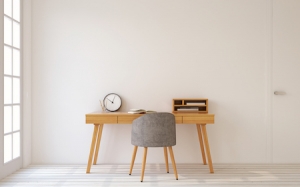
Rooms like these are an opportunity when selling a house. Presenting a room in a creative way can appeal to buyers who visit your home. Anyone buying a home is going to expect bedrooms, dens and living rooms, so transforming a spare room into something unique is sure to be noticed. Here are some ideas for turning that bonus room into something special quickly and without a high cost.
Recreation Room
Buyers with kids are sure to appreciate a room that promotes family time. While playrooms filled with toys are common, a room where everyone can gather and interact is a great idea. Put board games in the room and set up a table with a puzzle on it. Also include books, magazines and coloring books, but not a TV. Invite house hunters to work on the puzzle; kids who are spending the day looking at houses will jump at the opportunity, and that might translate to a positive experience for the parents.
Hobby Room
Rooms designed specifically for men and women are a popular trend, but why not create a space for everyone? Make the room a productive area where anyone can practice a hobby. Set up a sewing or knitting area, create a spot for a musical instrument with a music stand or turn the room into an artists’ or writers’ studio.
Family Office
Instead of a stuffy office, create a fun home work space. Set up a desk or table where family members can bring their laptops. Have papers, pens, pencils and other supplies handy. For the younger members of the household, set up a station with crayons, paste and construction paper. Have a shelf with dictionaries, reference books and almanacs.
Guest Room
Sure, many homes have guest rooms, but make yours one to envy. With a simple paint job and a small investment in quality bedding, you can turn a room into a luxurious space that is sure to catch the eyes of buyers who have out-of-town friends and relatives that might need to spend the weekend.
High-End Closet
Turning rooms into closets can be a major project, but it also can be done efficiently. Affordable shelving can hold shoes, hats, scarves, gloves and practically any type of clothing in an accessible and organized way. Racks can hold shirts, pants, suits and dresses. The idea is to create an appealing and organized space for clothing and accessories.
Five Quick Ways to Jazz up Your Home’s Curb Appeal
Curb appeal, a phrase often used by real estate professionals, describes the pleasing first impression viewers have at their first glimpse of a home. It could mean, ‘neat and clean.’ It could mean, ‘welcoming’ or ‘stately.’ It could be all of these and more.
In essence, a home with great curb appeal says ‘a caring homeowner lives here’ – and what homeowner wouldn’t want to be identified as such?
The best part, say the home design experts at Better Homes & Gardens.com, is that jazzing up your home’s curb appeal doesn’t have to be expensive or time-consuming. Here are just a few of the ideas they suggest for upping any home’s appeal:
Dress up the front door – Give it a burst of color; say a coat of red or marine blue paint to contrast a grey or white exterior. Polish up the door’s hardware, especially around the knob.
Create an instant garden – Container gardens can add a warm and welcoming feel when attractively grouped on or around the porch or front steps. Affordable, ready-made containers of plants and flowers available at most home centers can make this an easy, pleasing upgrade.
Do a mailbox makeover – Your curbside mailbox should complement your home. Dress it up by painting the box and/or the post to match your home’s exterior – and surround it at the base with a neat patch of plants or flowers.
Install a window box – Take a page from the French or British with a colorful window box or two to set off your home’s front windows. Choose boxes made from iron or copper for a traditional look, or painted wood for a cottage feel. Mix and match the flowers and/or plants to suit your color scheme and lighting conditions.
Add an artsy element – Give your front yard a little spunk and eye appeal by installing a fountain or birdbath, an interesting sculpture, and/or some attractive wind chimes. The sounds and movement can be as pleasing to the ear as to the eye.
Five Quick Curb Appeal Projects
Need to add some curb appeal to your home to get it ready for market? Or are you just in the mood for a quick refresh? Here are five easy DIY projects to help dress up your home using lightweight, decorative millwork accessories or architectural elements. The composition and durability of the products make them a long-lasting, low-maintenance way to dress up your home for years to come.
Entry Door – Make a front entry door ‘pop’ by surrounding it on both sides with a set of decorative pilasters and topping it off with a pediment. Select from simple peaked pediments or more ornate acorn or rams-head pediments.
Brackets – Install lightweight decorative brackets to a porch or under an eave for a fast way to personalize a home.
Windows – Add a simple header directly over the exterior of a window frame to add more visual appeal to the window. Select from straight or arched headers for the style that best matches your home.
Column Wraps – If your home has worn or boring porch posts, hide them with PVC column wraps. These decorative pieces fit right over a post for an instant makeover.
Shutters – If your shutters are suffering from peeling paint or worn finishes, consider replacing them with UV-resistant polyurethane shutters. Made to resist moisture and insects, such shutters can be quickly installed and will maintain their curb appeal for years to come.
If you’d like more homeowner information, please contact me.
Budget-Friendly Tricks for Updating Your Older Home
When it comes to updating an older home, you can make big style statements on a small budget, experienced decorators say.
“Start with a pop of color,” Keysha Jillian, owner of Jillian’s Designs in Tampa, Fla. told Reader’s Digest in an interview. “Paint the front door—and the shutters, if you have them. If your mailbox sits out front, paint it, too. You’ll protect them from the elements and create a fresh, new look for the cost of a gallon or two of paint.”
Indoors, Jillian recommends a few of these small, but mighty, do-overs:
Toss out your throw pillows. Replace them with fuller, crisper new ones, mixing and matching colors and textures to add a fresh breath to your living space and bring your color scheme together.
Add an area rug. An area rug can transform any room, grounding furniture groupings and adding interest and definition to your living space.
Change out the hall light. Make a statement in your entry way with a chandelier or other contemporary ceiling fixture that brightens the space and welcomes guests with a flourish. (Adding table or floor lights may help your living space look larger.)
Add artwork and accessories. Stroll through stores like HomeGoods, Target or Tuesday Morning to find framed artwork and a few accessories to coordinate with your new throw pillows. It can bring a room together and add a fresh, new look without replacing older furniture.
Replace the light switch plates. Switch out those old, faded plastic switch plates for brushed nickel or other designs for as little as $5 per plate.
Throw on a backsplash. It can jazz up an old kitchen or bathroom instantly without breaking the bank. For as little as $10 per foot in most big box stores, you can find a choice of DIY designs, including mesh backing for easier installation. If that sounds too intimidating, consider creating an accent wall behind the sink with a contrasting and bright colored paint.
Install closet organizers. Most older homes come with small closets. Maximize the space with inexpensive closet organizers available at most big box stores.
3 Ways to Get Creative With Lighting
“Modern kitchen with cozy lighting”
In today’s day and age, choosing the right lighting for your space can be an overwhelming proposition. But it doesn’t have to be. Here are three out-of-the-box ideas you can—and should—put into play.
Light unexpected spaces. There’s no need to settle for simple overhead lighting. Up ambiance and interest in a room by lighting a strip along the floor or beneath a kitchen counter. Place rope or strip lights along the edge of your staircase for easy navigation in the dark, or add indirect lighting under or above cabinets in the kitchen.
Light in layers. When planning lighting design for a room, think lighting in three main layers: overhead lighting, task lighting, and accent lighting. Think a chandelier or ceiling fixture to cover overhead, table lamps for task lighting, and a few specialty spots for accent lighting—frame lighting around the bed frame in your bedroom, for example, or light a few of your favorite pieces of art to draw attention to them.
Don’t forget to dim. Considering that dimmer switches run a scant $25, there’s no reason not to have them in your home. Control your space’s mood and ambience for a small cost, and enjoy a slightly smaller utility bill – the American Lighting Association sites that a dimmer switch saves an average of $30 a year.
Interested in real estate and housing tips? Feel free to contact me directly.
9 Home Design Trends to Watch
Here are 9 Home Design Trends to Watch
With more than 8,000 homes built last year, national homebuilder and developer Taylor Morrison has a window into the design trends that are most influencing home decor. Here are nine trends from the builder’s in-house design experts based on the selections today’s homebuyers are choosing.
1. Healthy homes. Eco-friendly and healthy lifestyle trends are working their way into home design in a variety of ways, such as by incorporating an abundance of plants, choosing natural materials over manmade, hardwood over carpet, and flat-finish paint instead of high-gloss.
2. Low vs. high maintenance. For busy families, the trend is toward low-maintenance design, opting for finishes that don’t require a lot of TLC, such as quartz instead of granite and large tiles instead of small ones…which means less grout to clean.
3. Fashion-forward. Keep an eye on the runway because there will be a stronger link this year between fashion trends and home decor and design, such as the recent explosion of browns and tartans.
4. Earth tones. In keeping with the indoor/outdoor lifestyle trend, earth tones will be prevalent in home design.
5. Monochromatic looks. High-contrast, monochromatic looks are rising in popularity, especially in the kitchen. Look for dark finishes with stark white or grey cabinets.
6. Pastels and jewel tones. Look for palettes featuring baby blues, mint greens and blushing pinks – or the “ice cream cone” colors – or conversely, bold jewel tones like emerald and sapphire.
7. Unique finishes. Fun hardware finishes like black, rose gold and brass continue to gain popularity.
8. Flower power. Also inspired from the runway, look for floral patterns, especially in wallpaper.
9. Cozy comforts. Have you heard about the Danish “hygge” look? It’s all about building a comfortable, relaxed environment with items like cozy and soft rugs, sofas and beds, as opposed to stark, tailored designs.