A good-looking houseplant adds pizzazz to your home. It can also be the next best thing to a live-in housekeeper, says John VanZile, author of Houseplants for A Healthy Home, out in May.
That’s because a number of houseplants contain properties that help rid the air around you of various chemicals and parasites. In fact, VanZile told House Beautiful, installing a few potted plants in your home can help you breathe and even sleep better without ever lifting a vacuum.
Top contenders to choose from include:
Rubber Plant: In addition to a adding dramatic accent to any room, studies show that rubber plants can remove airborne toxins from the air, such as formaldehyde—found in many cleaning supplies. VanZile advises wiping the leaves with a moist paper towel now and then to keep their pores open for optimal air purification.
Boston Fern: These lush ferns are great for removing common airborne pollutants like formaldehyde, xylene and toluene, which are thought to cause headaches, trouble breathing and the growth of cancerous cells. The Boston fern also combats winter dryness by raising indoor humidity.
Areca Palm: A 1989 NASA study declared this stately palm to be one of the most powerful air-purifying plants, particularly for its ability to remove formaldehyde from an indoor environment.
Peace Lily: The beautiful, blooming Peace Lily is a powerhouse for filtering air. NASA studies show it can filter benzene, formaldehyde, tri-chloroethylene (TCE), xylene, toluene and ammonia from indoor air–toxins that can cause headaches, respiratory problems and an increased risk of cancer. The Peace Lily can also remove airborne mold that aggravates allergies and asthma symptoms. VanZile recommends placing a few in your bathroom to reduce mold growth.
Philodendron. These popular and attractive houseplants are easy to grow and clean the air of formaldehyde and xylene, a toxin found in glues and leathers.


Here’s Why You Should Decorate With Green
Regardless of the shade, adding elements of green to your home can improve your mood, complement your design, and more.
Below are a few reasons to choose green for your interior design scheme.
It’s soothing. Green has long been used in decorating for its calming effect. Add some green curtains to your bedroom, paint the wall across from your sleeping space green and snag some easier ahhhhs.
It looks great with wood. If you have wood floors or furniture, tying in a shade of green will make your space even more lustrous.
It’s complimentary. There are so many gorgeous shades of green that it will be easy to thread a little green into your decorating scheme.
It’s natural. Don’t want to add any permanent green to your home? No problem! Just grab a few fresh houseplants and pepper them throughout your room for a fresh splash of green.
It may bring money. While you may not believe in this superstition, some swear that the color green brings wealth. Add some green to your home to call in a little windfall. It can’t hurt!
Retro Colors Make a Comeback: What’s Hot in Decor Right Now
Everything old is new again, and that goes for decorating with color. While the last decade in home décor has largely been defined by white and varying shades of beige and gray, today’s designers are harking back to yesteryear with paint colors, furniture and even kitchen appliances.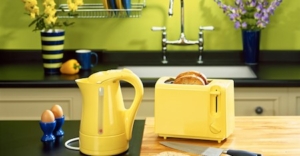
Part art deco, part ‘50s suburban and part ‘60s mod, these awesome retro colors are fresh and refreshed to fit today’s tastes, say the color mavens at Sherwin Williams, whose wall color faves this year include shades of pink, aqua and pale or mustard yellows with accents of slate or peppery coral—great ways to set off the stark white of baseboards, crown moldings and door frames.
Big Chill, a retro appliance company launched in 2001, is finding huge success with its growing line of refrigerators, stoves and dishwashers in pink, aqua, yellow and more that bring a spirit of nostalgia to today’s kitchens, along with their high-tech efficiency.
Small kitchen appliances from crockpots to mixers and toasters are now available in a wide range of bold and retro colors, and look for pink velvet, pale blue and teal sofas from a variety of furniture design companies as vintage furnishings make a huge comeback.
You might also find bright orange and sage green shantung side chairs, shabby-chic and pastel-colored buffets and bookshelves and other accessories, and don’t miss the lighting display in most home stores, where Tiffany lamps and vintage shades are gaining ground in sales.
A roomful of these vintage colors can make you feel a little nostalgic, a little happier and a little more optimistic. What more could anyone ask for?
4 Stunning Flowering Houseplants
Are you the type of person who likes to take their flower garden indoors? Indoor plants do more than simply add color to your space; they can also improve the mood of those who live with them.
Bromeliads. These funky, spiky plants are in the pineapple family! Bright and tropical, they like lots of light and don’t require too much water, which makes them a great choice for a beginning gardener.
African Violet. These are some of the most popular blooming house plants, as they flower for a long duration and are relatively easy to care for.
Begonias. A well-cared for begonia will bloom almost continuously. Place them in a bright location away from windows.
Peace Lily. These lovely, graceful flowers are adaptable and low-maintenance. They don’t demand too much light and can survive stints of both over- and under-watering.
How to Master Hamptons-Style Interiors
When it comes to living a luxurious lifestyle on the beach, there’s perhaps no destination more stylish than the Hamptons. Over the years, this iconic locale has developed its own aesthetic, as New Yorkers bring the sophisticated appeal of the city and blend it with breezy beach vibes. If you can’t get enough of this stunning look, here are a few ways to bring the Hamptons style into your home no matter where you live.
Light and Airy
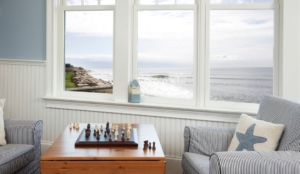
Most importantly, try to keep your décor light and uplifting. Crisp white walls and furnishings that are accented with various shades of blue make for the perfect seaside color scheme, but don’t be afraid to incorporate neutral tones, as well. An abundance of natural light pouring in from oversized windows will keep things feeling fresh and airy, as well as ensure those stylish houseplants you have get enough sunlight.
Mix and Match
Achieving Hamptons style is a balancing act. You want your home to have a chic quality that’s carefully curated, but look effortless at the same time. To do this, try juxtaposing reclaimed items with sleek finishes or use natural textures to create contrast with the white walls. In order to avoid getting too eclectic, remember that less is usually more.
Grand Proportions
The aesthetic is certainly much more subdued than other lavish design styles, yet there’s still an element of opulence that’s usually evidenced through grand proportions. Oversized windows, coffee tables and sofas should come to mind. Open floor plans that flow freely from indoor to outdoor living spaces further this sensation.
Coastal Influences
Of course, it wouldn’t feel like the Hamptons without some ocean-inspired décor. As the capital of coastal cool, there are many ways that you can incorporate these influences while staying on brand. It could be a simple bowl full of seashells on your coffee table, accent pillows with nautical patterns or even a salvaged ship’s helm hanging from the wall.
Creative Color Schemes for Your Home’s Exterior
If you’re looking to boost your home’s curb appeal, consider getting creative with your exterior color scheme. From shutters to doors to railings and more, whatever style home you have can be easily updated with a touch of paint. Whether you want a pop of color or something a little more muted, get inspired by these unique, fun and creative color combinations.
Stick to the Classics
Shades of beige, light and warm, can do wonders for a classic home. If done right, even the most basic colors can stand out. Start with a light beige on the siding and compliment with a bright white on any railings, shutters, window frames and steps. Go for a warmer brown-tone for the door, paired with a dark colored lantern as a light fixture to draw the eye to the entrance. Playing with shapes, tones and textures can heighten this color scheme. Using muted tones doesn’t have to be boring if done correctly.
Play With Primary
Blue, red and yellow represent each of the primary colors. Not only are they vastly different, but they also compliment each other. Though this may seem like an odd combination to put on the exterior of a home, if done right, it can provide a unique and interesting depth. Start with a deep blue coat on the majority of the house. For your pop of color, and depending on your personal style and the style of your home, add a bright red or yellow to the door. This will draw attention to the entrance. Whichever color you did not choose for the door, use sparingly for accents, like furniture, welcome mats and even potted plants.
Warm Up With Wood
If your personal color palette leans more towards cooler tones, like different shades of gray, you can easily warm that up with wooden accents. For a more modern style home constructed out of concrete, adding stark and natural wood features creates a unique look. Brighten up your entryway with an orange-toned wooden door, complemented by wooden window frames and a matching fence. This color scheme works well with lots of greenery, heightening the natural elements in contrast to the bare-boned grays. Even adding a grass wall or vine with some hanging greenery can bring out the earthy tones in the wood and draw attention to the modern and contemporary concrete.
Dual Purpose Plants: Cleansing and Decorating
A good-looking houseplant adds pizzazz to your home. It can also be the next best thing to a live-in housekeeper, says John VanZile, author of Houseplants for A Healthy Home, out in May.
That’s because a number of houseplants contain properties that help rid the air around you of various chemicals and parasites. In fact, VanZile told House Beautiful, installing a few potted plants in your home can help you breathe and even sleep better without ever lifting a vacuum.
Top contenders to choose from include:
Rubber Plant: In addition to a adding dramatic accent to any room, studies show that rubber plants can remove airborne toxins from the air, such as formaldehyde—found in many cleaning supplies. VanZile advises wiping the leaves with a moist paper towel now and then to keep their pores open for optimal air purification.
Boston Fern: These lush ferns are great for removing common airborne pollutants like formaldehyde, xylene and toluene, which are thought to cause headaches, trouble breathing and the growth of cancerous cells. The Boston fern also combats winter dryness by raising indoor humidity.
Areca Palm: A 1989 NASA study declared this stately palm to be one of the most powerful air-purifying plants, particularly for its ability to remove formaldehyde from an indoor environment.
Peace Lily: The beautiful, blooming Peace Lily is a powerhouse for filtering air. NASA studies show it can filter benzene, formaldehyde, tri-chloroethylene (TCE), xylene, toluene and ammonia from indoor air–toxins that can cause headaches, respiratory problems and an increased risk of cancer. The Peace Lily can also remove airborne mold that aggravates allergies and asthma symptoms. VanZile recommends placing a few in your bathroom to reduce mold growth.
Philodendron. These popular and attractive houseplants are easy to grow and clean the air of formaldehyde and xylene, a toxin found in glues and leathers.
5 Ways to Ease into Minimalism at Home
Write it down. Why are you attracted to minimalism? Do you like the idea of living lightly? Of contributing less to landfills? Of saving money by purchasing less or saving time by having less to clean and declutter? Writing these things down can fortify your mission to become a minimalist, and it will reinforce your ability to move onto the next suggestion.
Get your family on board. You’re fighting a losing battle if only one person in your household wants to minimize. Chat with your spouse, kids or roommate about why creating a minimalistic home space is important to you, and see if you can get everyone on board.
Go room by room. Now that you hopefully have your household on your team, go room by room and itemize your belongings. Don’t feel pressure to slog through this in one weekend. Choose one room a month, even, take stock of your furniture and possessions, and ask yourself the following questions:
– Does this have a purpose?
– Do you use it?
– Does it make you happy?
If you answer no to any of these questions, selling or donating the item is a no-brainer.
Ditch the duplicates. Ridding yourself of duplicate items is an easy first step to purging. Do you need five extra sets of linens? All of those extra dishes in the cupboard? That backup fridge in the garage? Someone else may get better use of the things collecting dust in your cabinets.
Aim for dual function. When deciding what to keep, sell, donate, or purchase in the future, consider the function of said item. Can you use it in more than one way? Can you snag a piece of furniture that doubles as a storage unit? A kitchen island with a wing that opens into a dining room table? These are true minimalist gems
3 Easy Steps to Getting a Home Market Ready
Putting your house on the market requires a delicate balance between staging it for sale and keeping it functional. Strike the right balance with these steps…
Step 1. Tackle the kitchen
While you can’t avoid cooking and eating throughout the selling process, pay close attention to your pantries and drawers. If they’re overcrowded, organize them.
Step 2. Organize the bathroom
Your medicine cabinet is likely home to expired prescriptions, as well as unused over-the-counter medicine. Throw these out properly and restore your medicine cabinet to tip-top shape.
Step 3. Tame those closets
A big part of the moving process involves getting rid of items you don’t need. Closets are a great place to start, as they’re often full of items that no longer fit your lifestyle.
Staging Secrets Revealed!
Staging can boost a sale price of a home by as much as 10 percent. The best staged homes strike the balance between lived-in and never-owned. How can you apply that science when staging your home? Look no further than model homes, which draw buyers by blending the form-follows-function principle with the preferences of today. Here are some tips:
Stage to the model home aesthetic with these tips and you’ll be well on your way to selling your home for more.
Do you know what types of plants do well without much water?
Gardening Cheat Sheet: Know What Works Where…
If you’re getting ready to outfit your yard with some colorful annuals and elegant greens, do a little homework first. While plants may look great at the nursery or thrive in your neighbor’s yard, they may not be the right fit for the spot you have in mind. The following cheat sheet provides some suggestions for the type of flowers and plants that do best in certain conditions. Choose wisely, and you’ll have a healthy, relatively maintenance-free garden for the season and beyond.
Shade
The following plants and flowers can’t tolerate too much sun, so a shady garden or border is the way to go:
– Impatiens
– Hostas
– Astilbe
– Bleeding heart
– English ivy
– Hydrangea
Full Sun
For many plants, full sun is too extreme. The following varieties, however, can really handle the heat:
– Lavender
– Butterfly bush
– Coneflower
– Daylily
– Blanket flower
– Shasta daisy
Drought-tolerant
No matter how much you water certain areas, the soil might just not retain moisture well. Or perhaps you’re looking to plant in containers, which always dry out faster. Here are some options that can stand up to dry conditions:
– Portulaca
– Salvia
– Russian Sage
– Yarrow
– Ornamental grass
– Sedum
A little more online research or a conversation with a veteran gardener in your community will help you discover more options that are suitable for your yard’s particular conditions, saving you both time and money.