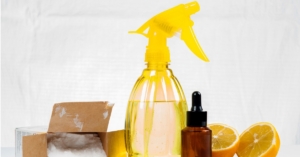
Making eco-friendly changes in the way we live may be easier than you think. Real Simple Magazine lists 10 little tips that can go a long way toward living a “greener” lifestyle:
Start with household cleaners. Switch to plant-based products (read the list of ingredients) that reduce air pollution, minimizing exposure to asthma and allergy triggers as well as chemicals that can be harmful to your health.
Try meatless Mondays. Preparing one meat-free meal per week (for a family of four) has the same impact on the environment as driving a hybrid car. (That’s because of the greenhouse gases produced in raising livestock.)
Buy sustainably-raised meat. Look for labels like free-range and organic, as well as no-hormone and no-antibiotic, which indicate the animal was given ample room to roam and wasn’t treated with hormones.
Upgrade your home’s insulation. Adding insulation to prevent leaky ducts, walls, windows and doors can improve your home’s energy draw by 20 – 30 percent. If that isn’t in your budget, try thermal shades, which block the sun in the summer and retain heat in the winter.
Leave your shoes at the door. Removing your shoes at the door prevents car exhaust, chemicals and pesticides from being tracked all over your home.
Microwave glass only. Heating plastics can cause hormone-disrupting compounds that leach into your food. Plastics labeled “microwave-safe” can withstand a higher temperature, but they are no safer. When microwaving, opt for glass or microwave-safe ceramics only.
Donate, don’t dump. By some landfill estimates, for every item of clothing you donate for re-use, carbon emissions are reduced by 27 pounds.
Choose safer cookware. The materials you cook with have an impact on food. The safest options are cast iron, enamel-coated cast iron and stainless steel. Non-stick pans are problematic if any scraped-off coating gets into your food.
Use fragrance-free products. Many fragrances contain chemicals believed to disrupt hormones, which can be harmful to the ecosystem when washed down the drain. If you like scented soaps, cleaning products or cosmetics, read labels to find those made with essential oils.
Reduce use of pesticides. Control pests indoors by keeping your kitchen crumb-free and sealing any cracks in the walls or foundation. If you do require more pest control, reach for green alternatives. Again, read the labels.


The Five Best Grills for Your Outdoor Living Space
If you’re planning to step up your barbecue game, a new grill can make all the difference and turn your backyard into the best place for family and friends to hang out under the sun.
Here are five favorite grills to please everyone, from charcoal loyalists to high-tech grill masters.
Kalamazoo Gaucho Wood-Fired Grill with Side Burner
If you appreciate the flavors of Argentinian-style grilling, the Gaucho from Kalamazoo is going to be your new best friend. The wood-burning grill and rotisserie is designed with a spoked-wheel that regulates cooking temperature by raising or lowering the grate over a live flame. For added convenience, a gas starter system helps to fire things up and get the meat sizzling.
Big Green Egg
The Big Green Egg enjoys legendary status among barbecue enthusiasts, and for good reason. These kamado-style grills can pretty much cook it all, from burgers and steaks to smoked salmon and brisket. Fueled by wood or charcoal, the Big Green Egg brings versatility to grill, sear, smoke, or bake in your backyard.
Lynx SmartGrill
For a state-of-the-art grilling machine, the Lynx SmartGrill can be controlled using your smartphone or voice commands and will let you know exactly when the meat is ready to be flipped. Equipped with all the bells and whistles, like a rotisserie system, smoker box, and infrared burners, this gas-powered grill is ideal for bringing high-tech precision to your BBQ area.
Weber Summit Charcoal Grilling Center
Weber Charcoal grills are tried and tested. While the Kettle model is a simple and enduring classic, the Summit Grilling Center is a cut above. Its gas ignition makes it easy to light up the charcoals and fill the air with that distinct barbecue smell, and the smoker allows for low-and-slow cooked meats.
Traeger Timberline WiFi Pellet Grill
The high-tech capabilities of Traeger’s Timberline Pellet Grill are enough to get excited about, with an app that lets you control the temperature, set timers, and access a whole bunch of recipes. However, it’s the good, old fashioned quality that makes it a standout. Fueled by wood pellets that infuse flavors like mesquite, pecan, and hickory BBQ, it’s the perfect choice for the at-home pitmaster.
Transforming Your Bath Into a Spa
A long soak in a bubble-filled tub can feel like heaven after a hard day at work—and soaking in a bath that feels like a spa can elevate that happy relaxation. Here’s how you can elevate your home’s bath experience:
Add some greenery. Place a pot of minty eucalyptus on the counter, or any bright greenery that loves moisture, to add a fresh look and feel to your bath. They look pretty and smell relaxing, too!
Add a basket or two. A trick from resort hotels, pile a stack of soft towels on a small stool and put a basket of lovingly chosen lotions and soaps on the counter. It’s a quick and easy way to make a bathroom feel luxurious.
Choose bath mats carefully. Fabric mats can collect moisture and get moldy, while a slatted wooden bamboo stays clean longer and adds a little Zen to your retreat.
Introduce aromas. A spa appeals to all your senses, including scent. To aid in relaxation in your home’s bathroom, light a candle with a soothing aroma, like lavender or eucalyptus, or put out some essential oils.
Hang some artwork. Give yourself something visual to focus on as you lounge in the tub. Hang a print with a relaxing theme, such as ocean waves or a tropical beach scene.
Add a bath caddy. The shower caddy is too high if you’re in the tub. Corral all your bath supplies, from soaps and shampoos to loofah sponges, in an easy-to-reach caddy hung at tub level so they are at your fingertips when you need them.
Tie everything in with a shower curtain. The shower curtain takes up a lot of space in a small room, so hanging a new one with a chic and minimal design can dramatically change the room’s atmosphere.
Make some updates. And if you really want an impressive spa-like bath, make some upgrades like adding heated floors and a rainfall shower head.
Smart Home Gadgets That Will Elevate Your Home
Technology seems to mutate with the speed of light, but is your home keeping up with the changes? Smarten it up with a few smart-home electronics that will boost safety, increase comfort and may even save you a few bucks:
Video Doorbell
The VTech Video Doorbell, about $115, lets you screen and even video chat with visitors before you answer the door. And the system takes a snapshot each time the doorbell is pressed, so you’ll always know who came a-knocking while you were away.
Smart Door Lock
The August Smart Lock uses keyless technology to keep your home safe no matter where you are. From your smartphone, you can let guests in, check to make sure you locked up before you left, keep a record of who has entered and exited, and unlock your door from the driveway. Cost? About $220.
Home Automation
You can ease into wireless control of your lighting and appliances with Insteon’s Start Here Kit, about $125, before moving on to automating other household needs, like irrigation control and occupancy sensing.
Water Saver
The WaterPebble Water Saver memorizes the length of your first shower and uses it as a benchmark to measure future shower times. Using a series of ‘traffic lights,’ it reduces your shower time by a fraction each time, helping you save on your water bill without trying. About $12.
Learning Thermostat
For about $250, the Nest programmable thermostat will learn your heating and cooling schedule and program itself. It can even be controlled from your phone and could save you up to 20 percent on energy costs.
Smart Watering
Is your sprinkling system over-watering or under-watering your lawn? Toro’s wireless Xtra Smart Soil Moisture Sensor keeps the moisture level just right. Not only will the health of you lawn improve, but your wallet (and the Earth) will benefit, too. About $115.
Paint Yourself Happy: 5 Colors That Bring Joy
Studies have shown that looking at certain colors can impact your mood, so if you’re looking to brighten your days, look at the walls.
Orange
This color boosts social connection, so paint a wall in your living room or kitchen a vivid orange and enjoy deeper, longer, joyous conversations.
Yellow
This sunny color is one of the most obvious mood brighteners, and there are many shades of yellow soft enough for an entire room.
Green
This earthy tone is a stress reliever. Roll it onto the wall across from your bed and smile your way into sleep.
Violet
This royal hue fosters creativity and intuition. Add it to your home office for more satisfaction in your work life.
Fuchsia
While this color is a tad bright for most rooms, fuchsia accent walls can still splash around enough of the color to make an impact.
Five Easy Organizational Tips
Do you feel like you’re constantly battling clutter around the house? You’re not alone, and nothing can feel more frustrating than not being able to locate something when you need it, or wading through piles of items to get there. Below are five, easy organizational tips that can offer major upgrades:
Tension Rod for Pot Lids
If you store your pots and pans in a drawer, install a tension rod along the inside and slip your pot lids behind it. No more rattling pots or hard-to-find tops!
Gallon Bags for Drawers
Organize your underwear or t-shirt drawer by separating your items and storing them in gallon-sized plastic bags. You’ll never lose 10 minutes hunting for that pair of socks again.
CD Holders for Tupperware
Remember those old CD racks? Repurpose them in your Tupperware cabinet by using them to keep your lids separate, sorted and easy to grab.
Repurposed Wine Rack
Gifted a large wine rack that rarely feels full? Use it in a hallway or closet to store shoes, scarves and other items that need to be tucked away.
Muffin Tin Magic
Have a junk drawer that never stays organized? Slip a muffin tin inside to separate your odds and ends.
Seven Safety Tips Every Homeowner Should Know
Like most homeowners, you probably have your water heater strapped down and you flush out the gutters every spring. But there are many other tips that make a big difference in terms of both safety and thriftiness.
The home safety watchdogs at FamilyHandyman.com offer seven tips to start with:
Monitor furnace filters. Clogged furnace filters cost you in both efficiency and higher bills. For peak performance, replace them every 30 – 60 days. Keep track of when you replaced them last by buying several and labeling them by month.
Shut off the water when on vacation. Every insurance adjuster hears it: “We left town on Friday and returned Sunday evening to find thousands of dollars in water damage.” Before going on vacation, turn off the main water valve. In less than a minute, you can eliminate the most common cause of home damage.
Don’t leave the remote in your car. Anyone who breaks into your car can grab the remote for easy access to your garage, and the registration card in your glove box gives the thief your address. Ditch the remote on your visor and buy a keychain model you can take with you every time you leave the car.
Think about replacing pipes. If you have galvanized steel pipes in your home and low water flow at faucets, chances are the pipes are to blame. Galvanized pipe is prone to mineral buildup, which eventually chokes off the water flow. Replacing the pipes is the best cure, especially if you live in an older home.
Check the breaker first. When a light goes out or a switch doesn’t work, check the main electrical panel for a tripped circuit breaker. Look for a switch that’s not in line with the others. Flip it to the ‘off’ position and then back on.
Get low flow showerheads. Showerheads are heavy water users and major energy eaters, since 70 percent of the water used is heated. By reducing hot-water consumption, a low-flow unit can pay for itself in just one month. Many of today’s water-efficient showerheads now provide a high-flow feel.
Install ceiling fans. Moving air increases evaporation from your skin and helps keep you comfortable at higher thermostat settings.
Ten Painless Changes for a Greener Home
Making eco-friendly changes in the way we live may be easier than you think. Real Simple Magazine lists 10 little tips that can go a long way toward living a “greener” lifestyle:
Start with household cleaners. Switch to plant-based products (read the list of ingredients) that reduce air pollution, minimizing exposure to asthma and allergy triggers as well as chemicals that can be harmful to your health.
Try meatless Mondays. Preparing one meat-free meal per week (for a family of four) has the same impact on the environment as driving a hybrid car. (That’s because of the greenhouse gases produced in raising livestock.)
Buy sustainably-raised meat. Look for labels like free-range and organic, as well as no-hormone and no-antibiotic, which indicate the animal was given ample room to roam and wasn’t treated with hormones.
Upgrade your home’s insulation. Adding insulation to prevent leaky ducts, walls, windows and doors can improve your home’s energy draw by 20 – 30 percent. If that isn’t in your budget, try thermal shades, which block the sun in the summer and retain heat in the winter.
Leave your shoes at the door. Removing your shoes at the door prevents car exhaust, chemicals and pesticides from being tracked all over your home.
Microwave glass only. Heating plastics can cause hormone-disrupting compounds that leach into your food. Plastics labeled “microwave-safe” can withstand a higher temperature, but they are no safer. When microwaving, opt for glass or microwave-safe ceramics only.
Donate, don’t dump. By some landfill estimates, for every item of clothing you donate for re-use, carbon emissions are reduced by 27 pounds.
Choose safer cookware. The materials you cook with have an impact on food. The safest options are cast iron, enamel-coated cast iron and stainless steel. Non-stick pans are problematic if any scraped-off coating gets into your food.
Use fragrance-free products. Many fragrances contain chemicals believed to disrupt hormones, which can be harmful to the ecosystem when washed down the drain. If you like scented soaps, cleaning products or cosmetics, read labels to find those made with essential oils.
Reduce use of pesticides. Control pests indoors by keeping your kitchen crumb-free and sealing any cracks in the walls or foundation. If you do require more pest control, reach for green alternatives. Again, read the labels.
Aging in Place: Safety Tips to Help Make It Possible
One third of American homes today house residents over the age of 60, and 90 percent of those residents would prefer to stay in their homes as they age for as long as humanly possible, a study by the National Institute on Aging shows.
With more Americans living well into old age, that may seem like a tall order. But planning ahead can make aging in place more achievable for you or your loved ones.
The National Institute on Aging and Senior Living Magazine offer practical tips for making any home safer as we age:
Fix walkways. This is the time to repair cracked or uneven areas of the walkway that could prove hazardous.
Improve lighting. Install point lighting at the front door and motion-sensor lights focused on the stairwell to make entering the home and climbing the stairs safer.
Add railings. Speaking of stairs, if you do have them, adding another railing on the wall side will make climbing much easier as you age.
Safety-proof the kitchen. Switch to appliances with easy-to-read controls and simple-to-push button interfaces. Installing Lazy Susans or roll-out shelving in pantries and cabinets will make it easier to access foodstuffs, dishes, pot, pans and more.
Guard against slips and falls in the bath. Add non-slip flooring and a securely attached grab bar to the shower. Consider building in a permanent bench or purchase a sturdy shower chair. Install a hand-held, adjustable height shower head with a hose to help direct the water.
Security and home automation. In addition to a home security system, look into systems that automate light control, entertainment and more.
Know how to get help. Do an online search now to become acquainted with available senior resources—such as transportation, meal delivery or personal care service—provided by local agencies, senior centers and state offices.
How to Start a New Exercise Program and Stick to It
It’s easy to get excited about the idea of working out but soon find yourself feeling discouraged and overwhelmed. Having the right mindset and realistic expectations can help you succeed at a new exercise program.
Why Do You Want to Work out?
The reason why you exercise will determine whether you’ll stick with it. Internal motivation is more likely to lead to long-term success than motivation based on external factors. If you want to get in shape to look good at the beach or at your friend’s wedding, you’ll be less likely to stick to an exercise program over the long term than you would if you wanted to work out to have fun, manage stress and make new friends.
Make Exercising Fun and Routine
Many people enjoy working out with a friend. You can offer each other support and encouragement while exercising, and it can be harder to justify skipping an exercise session if you know your friend is expecting you to be there and will be disappointed if you don’t show up.
Try a variety of activities, and find ones you enjoy. That will help you look forward to working out on days when you’re tired or stressed. Switching things up can allow you to exercise different muscles, avoid overworking one area and prevent boredom.
No matter what type of exercise you choose or when you do it, make it part of your normal routine. Once you’ve exercised consistently for a while, it’ll become a habit that you look forward to each week.
Be Realistic
Don’t overdo it at the beginning. Think about your current fitness level and abilities, and do your best. It’s better to start slow and gradually build up your strength and endurance than to try to do too much too soon and get injured.
It takes time to learn anything new. Don’t get discouraged if you try a new activity and can’t do it right or keep up with others at first. Focus on your form and be proud of yourself for making the effort. You’ll become more proficient with time.
If you can’t find time in your busy schedule for a long workout, break it up. Several short, intense workouts can be just as effective as one longer session.
If you don’t meet your exercise goals or you overindulge in delicious food, don’t be too hard on yourself. Just resolve to get back on track and stick to habits that you know are good for you in the future.
Start on the Path to a Healthier Lifestyle
Beginning a new exercise routine is tough, and sticking to it can be even harder. Find activities you enjoy, be realistic about what you can do and focus on gradually improving. If you experience setbacks, realize that they can happen to anyone and stay focused on your goals.
Dual Purpose Plants: Cleansing and Decorating
A good-looking houseplant adds pizzazz to your home. It can also be the next best thing to a live-in housekeeper, says John VanZile, author of Houseplants for A Healthy Home, out in May.
That’s because a number of houseplants contain properties that help rid the air around you of various chemicals and parasites. In fact, VanZile told House Beautiful, installing a few potted plants in your home can help you breathe and even sleep better without ever lifting a vacuum.
Top contenders to choose from include:
Rubber Plant: In addition to adding a dramatic accent to any room, studies show that rubber plants can remove airborne toxins from the air, such as formaldehyde—found in many cleaning supplies. VanZile advises wiping the leaves with a moist paper towel now and then to keep their pores open for optimal air purification.
Boston Fern: These lush ferns are great for removing common airborne pollutants like formaldehyde, xylene and toluene, which are thought to cause headaches, trouble breathing and the growth of cancerous cells. The Boston fern also combats winter dryness by raising indoor humidity.
Areca Palm: A 1989 NASA study declared this stately palm to be one of the most powerful air-purifying plants, particularly for its ability to remove formaldehyde from an indoor environment.
Peace Lily: The beautiful, blooming Peace Lily is a powerhouse for filtering air. NASA studies show it can filter benzene, formaldehyde, tri-chloroethylene (TCE), xylene, toluene and ammonia from indoor air–toxins that can cause headaches, respiratory problems and an increased risk of cancer. The Peace Lily can also remove airborne mold that aggravates allergies and asthma symptoms. VanZile recommends placing a few in your bathroom to reduce mold growth.
Philodendron. These popular and attractive houseplants are easy to grow and clean the air of formaldehyde and xylene, a toxin found in glues and leathers.